मैं तो नहीं हूँ इंसानों में बिकता हूँ मैं तो इन दुकानों में
दुनिया बनाई मैंने हाथों से मिट्टी से नहीं, जज़्बातों से फिर रहा हूँ ढूँढता
मेरे निशाँ है कहाँ? मेरे निशाँ है कहाँ?
तेरा ही साया बनके तेरे साथ चला मैं जब धूप आई तेरे सर पे तो छाँव बना मैं तेरा ही साया बनके तेरे साथ चला मैं जब धूप आई तेरे सर पे तो छाँव बना मैं राहों में तेरी रहा मैं हमसफ़र की तरह
उलझा है फिर भी तू जालों में ढूँढे सवालों को जवाबों में खोया हुआ है तू कहाँ? (तू कहाँ)
मुझसे बने हैं ये पंछी, ये बहता पानी लेके ज़मीं से आसमाँ तक मेरी ही कहानी मुझसे बने हैं ये पंछी, ये बहता पानी लेके ज़मीं से आसमाँ तक मेरी ही कहानी तू भी है मुझसे बना, बाँटे मुझे क्यूँ यहाँ?
मेरी बनाई तक़दीरें हैं (तक़दीरें हैं) साँसों भरी ये तस्वीरें है फिर भी हैं क्यूँ बेज़ुबाँ? (बेज़ुबाँ) मेरे निशाँ… — Lyrics by Kumaar
These lines from a song played in a Bollywood movie called OMG just makes one sit and take notice. Imagine if the God that we believe in were to roam the streets singing these lines. What would we tell him? That we are ashamed? That the solution is with him, not us? That we pray harder to him?
For the longest time this question troubled me. It still does. The word is bandied about quite casually for every piece of commitment to a cause – right from Mahatma Gandhi’s confrontation of Apartheid after the Pietermaritzburg train journey to Virat Kohli’s work ethic that makes him one of best in his sport.
But deep within, there was a question. Can a person committing to a cause he loves and chasing it be described as gritty? In some sense it is so, right? Given that most of us find ourselves incapable of pushing through when we come up with the first hurdle in the journey of our choice.
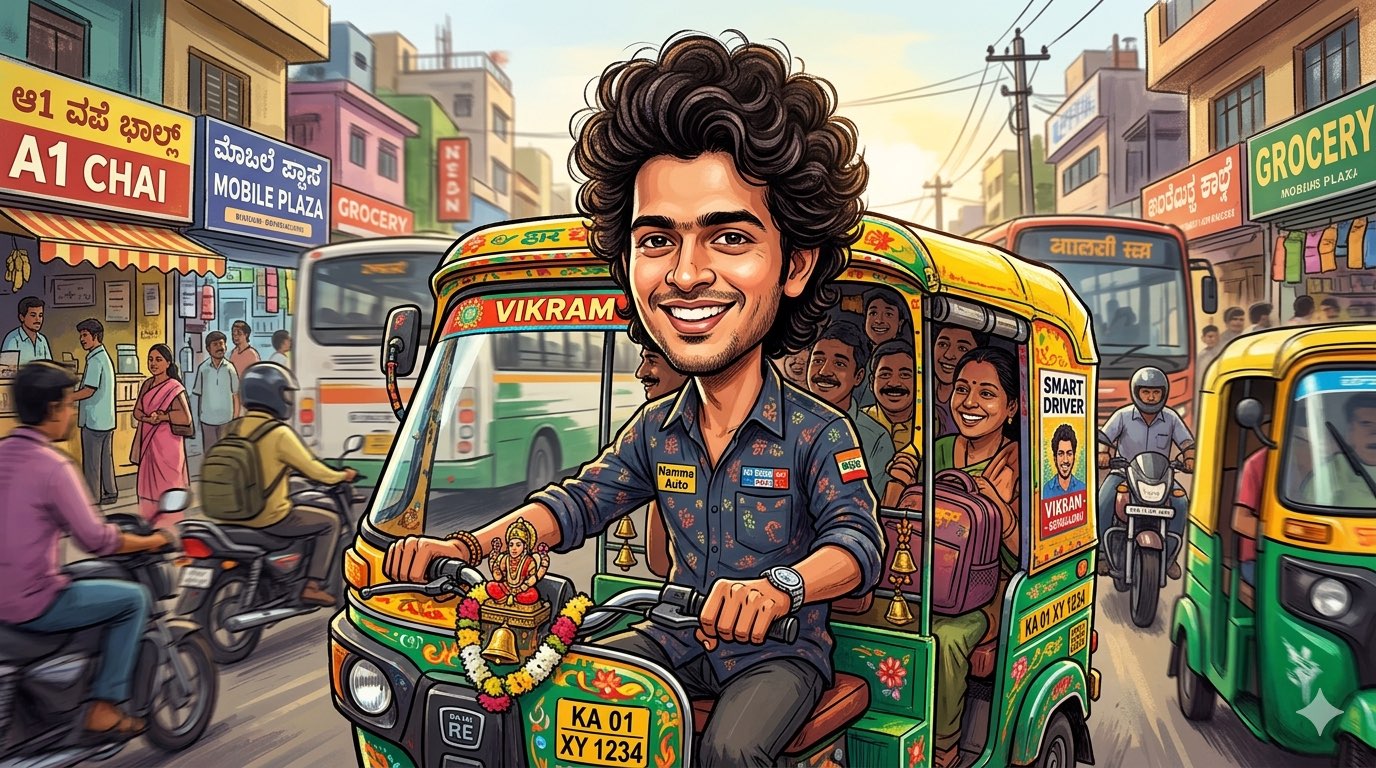
Today I came across someone who showed me another side of grit. Having booked an autorickshaw via a ride-hailing app in my city, I felt a tad uncomfortable when the journey commenced. The auto driver was hard on the clutch and each time he shifted gears and released them, the engine strained and the vehicle shook like a pumping piston.
And then I noticed something. The driver didn’t have his left index and middle finger. He had stubs were the fingers were. And so, he was using just his ring finger and little finger of his left hand to hold pull the clutch lever while shifting gears. I sat silent for the rest of the 9km journey. Upon getting out, I asked him how he manages to do what I couldn’t even imagine doing if put in the same situation.
“Sir, I lost them (fingers) in an accident. But, this is about the only thing I can do to earn a living. So I had to persist. I noticed the “had to” and asked how he managed to overcome the sudden handicap delivered by fate. I just worked on it once my hand was usable. Kept going through the motions till I knew that I can use just two fingers to shift gears back and forth – something that the crowded and unruly traffic of my city puts added stress on.
Suman accepted his reality. As his name suggests, he remains well-mannered and cheerful. He takes care of a family of four and does so smilingly. Never grudging the crowded roads, unruly traffic or the fact that fate dealt him a cruel blow, hitting him where it might have hurt most – his hands that steered the autorickshaw’s handle and helped him make some money ferrying passengers.
Is Suman’s grit different from the examples that I referred to earlier? Maybe so. Because overcoming adversity in an existing situation is tougher than preparing for it and pushing through.